get your practical guide
for
free
101 Content Marketing


We are on-liners! You can reach us on:
Gamification: Make Your Customers Play On
All games come to an end. Even in the Champions League, the referee blows his whistle after ninety minutes. Tennis match tie breaks are eventually tied up, and the longest chess competition will eventually result in a mate or a draw.
That’s fine when the participants are just players. But it’s not so fine when the players are leads that a content marketer is trying to keep engaged and active—and buying. Fortunately gamification is different to gaming. It's about embedding game behaviours, values and techniques to build long-term relationships and interactions. Its aim isn’t to create a winner but to build motivation and adherence to processes that otherwise would be too difficult to maintain. Gamification, unlike games, encourages the players to keep playing.
Personalization is one important element in that long-term integration: when we understand who we’re aiming at, we can understand what motivates them, and can use even the simplest elements of gamification to inspire engagement. The OCBC Bank in Singapore, for example, uses progress bars in its online accounts to encourage savers to reach their goals.
Stop Playing And Your Friends See You Lose
Another approach, though, is to match the game to the audience’s everyday activity. Fitness enthusiasts like to beat their own fitness goals but Nike assumed that they also wanted to beat other people’s fitness goals, and show that they’d beaten them. The Nike Fuelband measures its wearer’s movements and converts them into Fuel points. Combined with the Nike Fuel program, users are able to compare their achievements with others. Not only are they motivated to keep playing to stay ahead but if they stop playing, they’re penalized by moving down. Instead of drawing users into a game with the promise of fun and rewards, Nike created a long-term strategy by turning its customers’ activities into a competitive game.
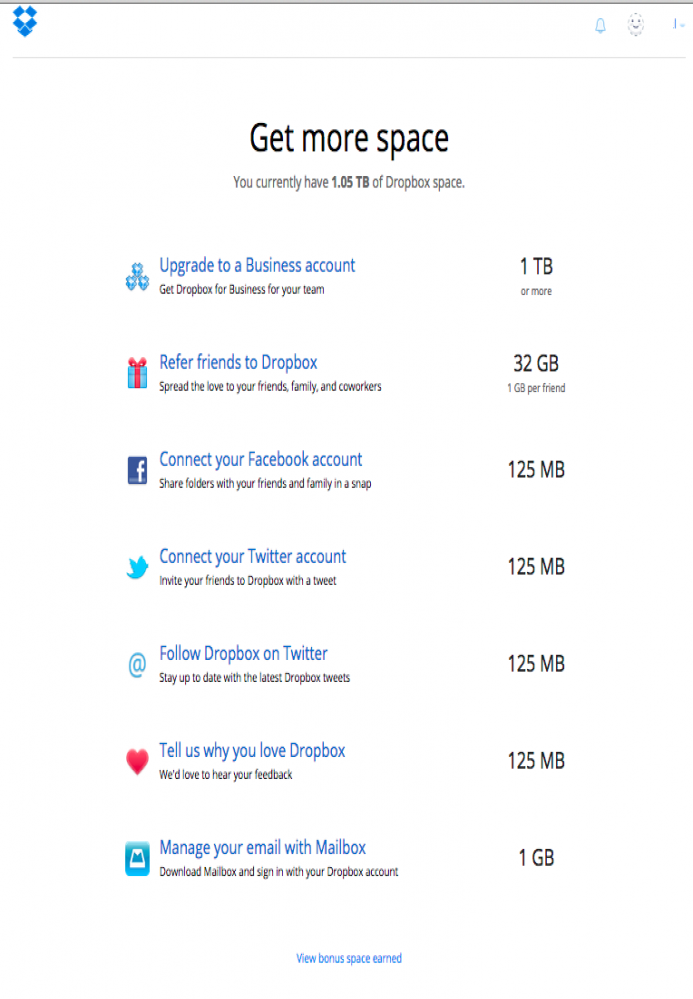
Other companies have turned engagement and product usage into a game. Signing up for DropBox is simple but to encourage customers to use the service’s different features, the company offers rewards for each activity. In return for sharing documents, for inviting friends, for linking with Twitter and for using Carousel for camera uploads, Dropbox rewards users with additional storage space. The more customers use the service, the more they’re able to use the service. And the more they’re able to use the service, the more they need to use the service until they need it enough to be willing to pay to use it fully.
In turning the customer journey into a game, Dropbox has been able to pull new leads gradually through the sales funnel. It uses rewards and motivation to convert an initial interest into income.
Games are meant to be fun but for content marketers gamification, the embedding of the aspects of games that generate engagement, is serious business. Make the gamification a long-term element in the brand’s content strategy, and it is possible to keep customers playing and committed —and to keep putting off the appearance of that “Game Over” message.
Click here and get your FREE copy of ASTELO's practical guide:
"101 Content Marketing - The New Face of Digital Marketing".